|
|
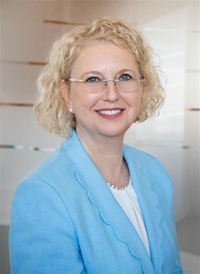
Dear friends and supporters of GFCNI,
This edition of our newsletter highlights three important areas where collaboration, knowledge, and lived experience come together to improve care for newborns and their families.
At our Parent and Patient Organizations Summit (POS) 2026, we had the privilege of bringing together a truly global community. Representatives from across countries and cultures shared insights, challenges, and solutions, all with a common goal: strengthening advocacy and support for families. These moments of exchange continue to remind us how powerful collective action can be.
At the same time, our IMPROVE PRETERM workshop in Freising focused on a question that is essential for the future of research: what outcomes truly matter after very preterm birth? By working closely with parents and adults born preterm, we are helping ensure that research reflects real-life experiences and long-term needs – not just clinical measures.
Finally, we are pleased to see innovative approaches to education emerging within our network. The NICU Neuroscience training developed by Leo’s Neonatal highlights how the experiences of parents and healthcare professionals shape care in the neonatal unit. Understanding stress, communication, and connection in these environments is an important step toward more compassionate and effective care.
Across all these activities, one message stands out: meaningful progress happens when we listen, collaborate, and keep families at the center of everything we do. Thank you for being part of this shared effort.
Warm regards,
Silke Mader and the GFCNI team
|
|
© GFCNI
|
Event Recap
Strengthening Global Advocacy for Newborn Health – Highlights from POS 2026
The GFCNI Parent and Patient Organizations Summit (POS) 2026 brought together 70 representatives from 36 organizations across 32 countries in Freising, Germany. Over three days, participants engaged in presentations, workshops, and peer-to-peer exchanges focused on advancing maternal and newborn health. Key discussions addressed trauma-informed care, parent-valued outcomes in research, and sustainable advocacy strategies. Interactive sessions equipped organizations with practical tools to strengthen support services, organizational development, and communication. The Summit concluded with peer learning presentations and the GFCNI Awards, highlighting impactful initiatives worldwide. POS 2026 reaffirmed the importance of global collaboration in improving care for preterm and sick newborns and their families.
|
|
© GFCNI
|
Maternal Immunization
Protecting Newborns From the Start – Raising Awareness on Pertussis Vaccination During Pregnancy
GFCNI is launching a global awareness campaign on pertussis vaccination during pregnancy, aligned with World Immunization Week. The campaign highlights the heightened vulnerability of newborns in their first months of life and the role of maternal immunization in supporting early protection. Through a structured four-post series, the campaign explains disease burden, the gap in early-life protection, the mechanism of antibody transfer, and the importance of timely vaccination in each pregnancy. Designed for expectant families, the materials use clear, accessible language while remaining grounded in global recommendations, including guidance from the World Health Organization.
|
|
© GFCNI
|
Updated Facts for Clinical Practice
RSV Remains a Concern Beyond Peak Season
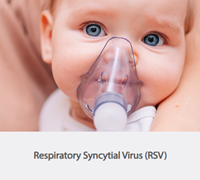
Although overall respiratory virus activity is declining, respiratory syncytial virus (RSV) continues to circulate and remains a risk for infants and young children. During this transitional phase, it is important for healthcare professionals to stay informed. The updated RSV Academy factsheet, now available in English and German, provides current data, clinical insights, and practical guidance to support decision-making and communication with families. As RSV patterns shift beyond the traditional season, continued awareness and up-to-date knowledge can help ensure timely recognition and appropriate care for vulnerable populations.
|
|
© GFCNI
|
Strong Start for Little Heroes
Celebrating Our 2025 Winners
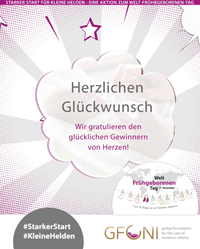
Congratulations to the winners of our 2025 “Strong Start for Little Heroes” campaign! Once again, neonatal intensive care units across Germany marked World Prematurity Day with creativity, dedication, and impactful awareness activities. We received many wonderful and inspiring submissions, ranging from engaging events to heartfelt initiatives, which highlighted the challenges and needs of preterm babies and their families. Selecting the winners was no easy task, but here are our three winning hospitals: 1. Sana Kliniken Oberfranken, 2. St. Anton Hospital Kleve, and 3. Klinikum Dortmund. Our heartfelt thanks go to all the participating hospital wards and their extraordinary staff for their outstanding commitment and passion. Your efforts make a real difference in raising awareness and supporting families. We look forward to your participation in our upcoming campaign this year! Discover our 2025 winners via the link below. Please note that this campaign is set up in German.
|
|
© Bundesverband Frühgeborene e.V.
|
Organizational Development
A Name Change That Signals Lifelong Commitment
Our German partner parent organization has changed its name from Bundesverband „Das frühgeborene Kind“ e.V. (Federal Association “The Preterm Child”) to Bundesverband Frühgeborene e.V. (Federal Association for People Born Preterm).
The new name reflects a broader perspective. Prematurity does not define only the earliest stage of life. The organization supports individuals born preterm across the lifespan – from childhood through adolescence and adulthood – and continues to work closely with their families. The legal entity, structure, and strategic focus remain unchanged. The updated name simply aligns more precisely with the organization’s long-standing mission. We congratulate our German partner parent organization on this important step and look forward to continuing our collaboration.
|
|
© NIDCAP Federation International
|
NIDCAP Federation International
25 Years of Advancing Individualized Family-Centered Developmental Care Worldwide
This year, the NIDCAP Federation International (NFI) is celebrating its 25th anniversary. Founded by Professor Heidelise Als, Ph.D., the NFI promotes the Newborn Individualized Developmental Care and Assessment Program (NIDCAP) – the only comprehensive, family-centered, evidence-based approach to developmental care for newborns in intensive care. NIDCAP recognizes infants as individuals and active participants in their own care, while supporting parents as their babies’ primary nurturers, caregivers, and advocates. Additionally, NIDCAP promotes close partnerships in care between families and healthcare professionals. The NFI has been a valued partner since GFCNI’s founding in 2008. We warmly congratulate the NFI on this important milestone and thank them for their dedication to improving care for newborns and their families.
|
|
© NICU Neuroscience
|
Neuroscience in the NICU
Understanding the NICU Beyond the Infant – A New Training Approach
A new training program developed by Leo’s Neonatal, a parent and patient organization in our network, brings a fresh perspective to neonatal care. “NICU Neuroscience” explores how stress, trauma, and nervous system responses shape the experiences of parents and healthcare professionals alongside infant care. Created by founder Lottie King, the program combines neuroscience, clinical expertise, and lived experience, with contributions from specialists in neonatal care and brain development. Delivered fully online and designed for flexible completion, it supports healthcare professionals in strengthening communication, decision-making, and relational care in high-stress NICU environments.
|
|
© CEPAS
|
CONGRESS CALL
Abstracts Now Open for CEPAS 2026 in Lyon
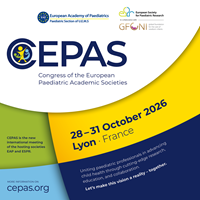
The call for abstracts is now open for CEPAS 2026, taking place October 28-31 in Lyon, France. The congress will bring together professionals from across pediatric care – from neonatology to adolescent medicine – to share research, strengthen education, and advance collaboration across specialties. CEPAS builds on more than 15 years of cooperation between the European Academy of Paediatrics and the European Society for Paediatric Research. In close collaboration with GFCNI, the congress also integrates patient- and family-centered perspectives into the program. This continued partnership helps ensure that scientific exchange remains closely connected to the experiences and needs of children and families.
|
|
© MCA
|
LEADING CHANGE IN NEONATOLOGY PRACTICE TOGETHER
Join us at the Do’s and Don’ts Congress in Bratislava
GFCNI is proud to help shape the 16th International Congress of UENPS, Do’s & Don’ts – Best Practice in Neonatology, May 26-30 in Bratislava, Slovakia. The first day will feature dedicated GFCNI sessions focused on overcoming challenges in the care of small and sick newborns and their families, alongside discussions on the long-term outcomes of preterm birth. Expect hands-on courses, interactive sessions, and practical guidance on best practice in neonatology. Building on the success of previous edition with 400+ participants, 170+ abstracts, and 60+ expert speakers, this year’s congress promises another outstanding program. Register now to be part of it!
|
|
© PNAE
|
PEDIATRIC NURSING IN EUROPE
Join the 7th PNAE Congress in Paris
From June 10-12, 2026, the 7th European Congress on Paediatric Nursing (PNAE) will bring together healthcare professionals from across Europe to explore the future of integrated pediatric care under the theme “Building to Last.” Held in Paris in collaboration with the 51st ANPDE National Study Days, the congress will focus on sharing research, practical experience, and innovations to improve care for newborns, children, and their families. A dedicated roundtable on family-centered care on June 11 will feature parent representatives and pediatric nurses, highlighting the vital role of families in shaping care.
|
|
© GFCNI / IMPROVE PRETERM
|
What Outcomes Truly Matter
Putting Families at the Center of Preterm Birth Research
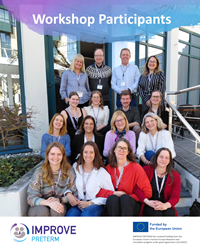
On March 19, 2026, the IMPROVE PRETERM project convened researchers and its Parent & Patient Advisory Board in Freising, Germany, to define outcomes that matter most after very preterm birth. Using a co-creation approach, participants focused on parent- and patient-reported outcomes, long-term development, and life after discharge. The workshop highlighted the importance of Core Outcome Sets to improve consistency and relevance in research. As a work package leader, GFCNI plays a key role in ensuring that parent and patient perspectives are meaningfully integrated throughout the research process. A clear message emerged: lived experience must guide what research measures. The results will inform upcoming studies and contribute to more meaningful, person-centered research and care for individuals born very preterm.
|
|
© FREEP!K
|
The Science of Preconception Health
Before Pregnancy Begins – Why Preconception Health Matters
Health and lifestyle before conception can significantly influence pregnancy outcomes. A review presented at the 2023 Global Pregnancy Collaboration workshop highlights growing evidence that both maternal and paternal health prior to pregnancy may affect the risk of complications such as preeclampsia and preterm birth. Researchers discussed the concept of the “exposome,” which describes the combined environmental, behavioral, and social exposures across the lifespan. Factors such as nutrition, air pollution, stress, metabolic health, and inflammation before pregnancy may contribute to later complications. The findings emphasize the importance of strengthening preconception care and promoting healthier environments to support safer pregnancies and improved newborn outcomes.
|
|
© FREEP!K
|
Income, Race, and Birth Outcomes
Preterm Birth in the US – Income Does Not Tell the Whole Story
Preterm birth remains a leading cause of infant illness and death in the United States. A large population-based study analyzing data from more than 400,000 mothers between 2011 and 2021 examined how preterm birth rates vary by household income. Rates increased over time among lower-income households, while remaining largely stable among higher-income groups. However, income alone did not explain disparities. Across all income levels, non-Hispanic Black mothers had the highest rates of preterm birth, including in the highest income group. The findings suggest that broader structural factors, including unequal access to care and systemic inequities, likely contribute to persistent disparities in birth outcomes.
|
|
© Montreal Children’s Hospital
|
Emergency Transfers and Care Standards
Neonatal Transport in Italy – Progress Toward More Consistent Care
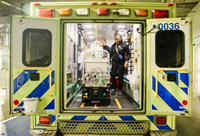
When a newborn requires urgent transfer between hospitals, consistent standards are essential to ensure safe care and timely access to specialist services. A national survey by the Neonatal Transport Study Group of the Italian Society of Neonatology examined how neonatal emergency transport services are organized across Italy. Most regions provide 24/7 coverage, but service organization varies widely. Many teams rely on on-call neonatal intensive care staff rather than dedicated transport teams, and access to capabilities such as nitric oxide therapy, phototherapy, and therapeutic cooling differs between regions. The findings highlight both well-established services and areas where greater alignment across regional perinatal networks could strengthen consistent newborn care during emergency transfers.
|
|
|
|