|
|
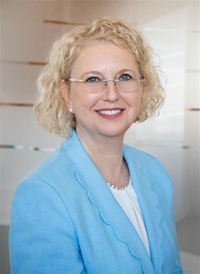
Dear friends and supporters of GFCNI,
As more babies born preterm grow up and thrive, it becomes ever more important to look beyond the neonatal period. In this newsletter, we share new insights into long-term outcomes after preterm birth and what they mean for families and healthcare professionals across the life course.
You will also find examples of infant- and family-centered developmental care in practice, showing how meaningful partnerships between parents and professionals can strengthen care, communication, and trust. When families are truly included, care becomes not only more effective, but also more compassionate.
Finally, this edition highlights encouraging policy progress that reminds us how advocacy and collaboration can lead to real change for families during some of the most challenging moments of their lives.
Thank you for being part of the GFCNI community and for your continued commitment to improving care for newborns and their families worldwide.
With warm regards,
Silke Mader and the GFCNI team
|
|
© GFCNI
|
BRONQ FAMILY STUDY
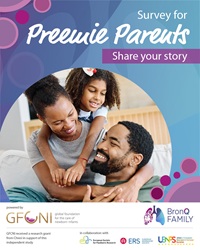
Final Call: Support Recruitment for the BronQ Family Survey
The BronQ Family Survey is entering its final phase of recruitment and will close at the end of February. This international research project aims to better understand the long-term impact of Bronchopulmonary Dysplasia (BPD) on families’ quality of life. With your help, we can ensure that families’ voices are heard. We kindly invite you to support this research by sharing the survey with parents and caregivers of children born preterm through your professional networks, clinics, organizations, and communities. Together, we can help improve future care and support.
|
|
© Unsplash
|
CAREER OPPORTUNITY
Join the GFCNI Team: Controller (m/f/d)
We are looking for a Controller (m/f/d) to join the GFCNI team and support our financial planning, reporting, and governance work across global projects. This part-time role offers flexible hours, remote work options, and close collaboration with a passionate, international team. If you enjoy bringing clarity to complex financial processes and want your work to contribute to better care for newborns and their families worldwide, we would be delighted to hear from you.
|
|
© ARNIS
|
National Policy Dialogue
From Dialogue to Action: Romania Advances Care for Newborns at Risk
On World Prematurity Day 2025, a high-level Round Table at Romania’s Cotroceni Presidential Palace brought institutions, clinicians, researchers, and parent advocates together to strengthen care pathways for newborns at risk. Organized by our partner parent organization ARNIS (Romanian Association for Long Hospitalised Newborns) and the Romanian Neonatology Association, in partnership with the Presidential Administration and the Ministry of Health, the meeting addressed parental access to NICUs, Kangaroo Mother Care, early intervention, and multidisciplinary follow-up after discharge. The event marked Romania’s national launch of the global World Prematurity Day campaign and resulted in two working groups tasked with translating evidence and dialogue into concrete, long-term policy action.
|
|
© The TAPS Support Foundation
|
TAPS and Lifelong Care
Why Educators Matter in Long-Term Outcomes for Children With TAPS
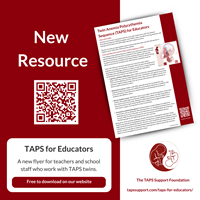
Our partner parent organization TAPS Support has released a new educational leaflet highlighting the long-term effects of Twin Anemia-Polycythemia Sequence (TAPS) and the critical role educators play in early identification and support. Children affected by TAPS – often born preterm – may face cognitive, motor, behavioral, and hearing challenges that become more visible in school settings. The resource equips teachers with practical guidance to recognize subtle signs, communicate effectively with families, and support timely follow-up and intervention. By strengthening awareness beyond the clinical setting, the leaflet reinforces a life-course approach to care for children affected by TAPS.
|
|
© Frühchen & Neokinder Schweiz
|
Family Policy Reform
Switzerland Extends Maternity Leave After Neonatal Hospitalization
Following sustained advocacy by our partner parent organization Frühchen & Neokinder Schweiz, the Swiss Parliament approved a major reform to maternity compensation in December 2025. The amendment extends benefits under the national income compensation scheme to fully cover the actual duration of a mother’s or newborn’s hospitalization after birth, removing the previous 56-day limit. As a result, statutory maternity leave will begin only after discharge from neonatal care. Coming into force in 2027, this change formally recognizes the needs of families affected by neonatal hospitalization and represents a significant policy milestone for family-centered care in Switzerland. The linked source material is available in German.
|
|
© Ilitominon
|
Clinical Education
Advancing Infant- and Family-Centered Developmental Care for Preterm Infants in Greece
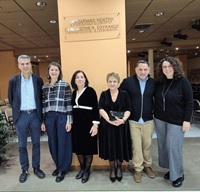
A multidisciplinary scientific symposium in Ioannina brought healthcare professionals, parent advocates, and policymakers together to advance infant- and family-centered developmental care for preterm infants. Organized by the Pediatric Department of “G. Hatzikosta” Hospital and held under the auspices of GFCNI and key national and regional partners, the event highlighted trauma-informed developmental care aligned with the European Standards of Care for Newborn Health. Expert contributions addressed parental mental health, early intervention, feeding challenges, and the long-term impact of prematurity. The symposium marked an important step in strengthening interdisciplinary collaboration and elevating prematurity as a public health priority in Greece.
|
|
© PREMSTEM
|
An Illustrated Journey About Preterm Birth
From the NICU to Now: A PREMSTEM Story
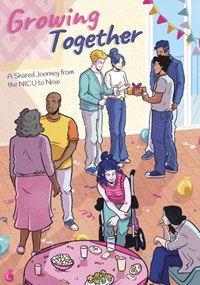
“Growing Together – A Shared Journey from the NICU to Now” is an illustrated collaborative story created by researchers, parents of preterm children, and artists. It was created as part of the Horizon 2020 project, PREMSTEM (Grant Agreement 874721), which ended in December 2025. The story aims to help families and caregivers understand how preterm birth may impact their lives, and serves as a resource for health professionals, facilitating discussions with caregivers about topics such as preterm birth, cerebral palsy, and ADHD. Inspired by parents and medical professionals with lived experience of preterm birth, discover the journey of preemies Sophia and Adam from the moment their parents first bonded in the NICU.
|
|
© The TAPS Support Foundation
|
TAPS Research
Listening to Families: Hearing Loss in Twins With TAPS
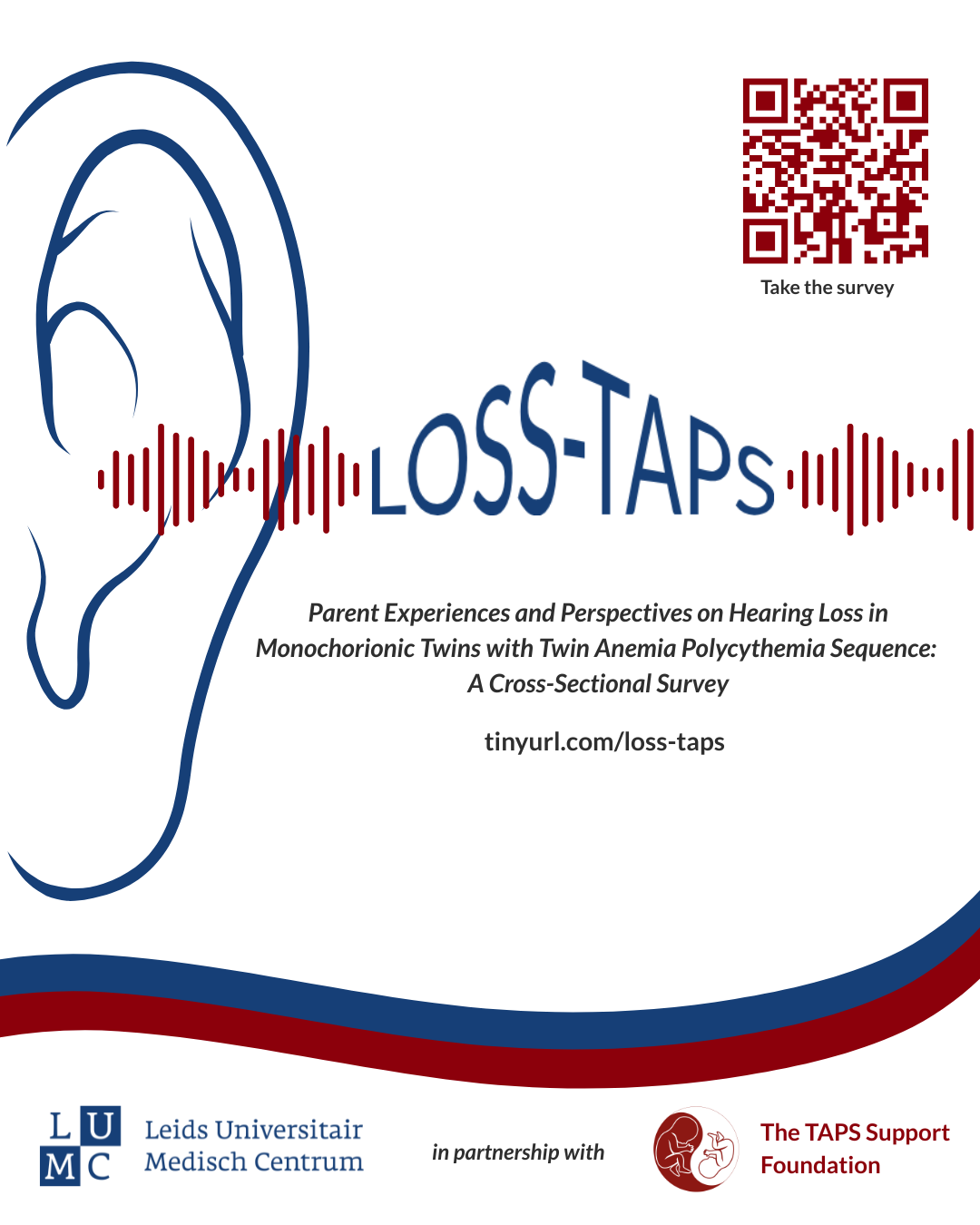
A new international, patient-led survey is examining parent experiences of hearing loss in children affected by Twin Anemia-Polycythemia Sequence (TAPS). The study is led by the TAPS Support Foundation in partnership with Leiden University Medical Center and investigates a largely overlooked outcome of TAPS. Recent research shows that approximately one in eight TAPS donor twins develops permanent hearing loss, most often auditory neuropathy – a pattern not observed in other causes of fetal anemia or among most neonatal intensive care graduates. By capturing parental perspectives on diagnosis, care pathways, and support needs, the study aims to inform clinical practice, guide future research, and support the development of evidence-based resources for families and professionals. The survey is open until February 12, 2026.
|
|
© FREEP!K
|
Preventive Maternal Care
Why Physical Activity Should Be a Vital Sign During Pregnancy
A recent U.S. narrative review argues that physical activity should be assessed routinely during pregnancy, alongside measures such as blood pressure and weight. Drawing on decades of research, the authors show that most pregnant individuals do not meet recommended activity levels, despite clear benefits for maternal health and potential implications for infant outcomes. The review outlines simple ways to assess physical activity at prenatal visits and highlights how routine discussion can help identify barriers, support tailored counseling, and promote healthier behaviors. Treating physical activity as a vital sign may strengthen prenatal care and support continuity across the maternal-newborn care pathway.
|
|
© FREEP!K
|
Long-Term Outcomes
Extreme Prematurity and Mental Health Risks in Adulthood
As more preterm infants reach adulthood, understanding long-term mental health outcomes is increasingly important. A large retrospective cohort study from Germany examined depression and anxiety among adults born preterm or at term. The findings show that adults born extremely preterm, at or before 28 weeks of gestation, have a higher risk of both depression and anxiety compared with those born at term. Each week decrease in gestational age was associated with increased risk, while restricted fetal growth alone was not. The study underscores the importance of long-term psychosocial follow-up and early emotional support for individuals born extremely preterm.
|
|
© FREEP!K
|
Health Equity
Equity Gaps in Standardized Newborn Care for Refugee Families
A recent evidence review highlights persistent inequities in pregnancy and newborn care for refugee families, despite the role of standardized care in promoting safety and fairness. Focusing on Syrian refugees in Turkey, the study identified lower access to antenatal care, reduced use of iron supplementation, and higher rates of anemia, adolescent pregnancy, and home birth compared with non-refugee populations. Other outcomes, such as preterm birth and NICU admission, were similar, underscoring the complexity of care equity. The findings emphasize the need for consistently applied care standards to reduce gaps, improve communication across services, and ensure high-quality care for all newborns and families.
|
|
|
|